She called me “an older adult.”
It was during a routine checkup.
The nurse glanced at the chart, looked up, and said,
“Many older adults experience joint stiffness, so don’t worry—this is normal.”
I nodded politely.
But as I buttoned my sleeve afterward, I kept turning the phrase over in my mind.
Older adult. Not senior. Not elderly.
Older.
Adult.
Was that supposed to feel better?
🧠 Words Matter—Even Quiet Ones
I’ve been called all three:
- Senior citizen
- Older adult
- Elderly
None of them were said with malice.
Most weren’t even said to me—just about me.
But they landed differently.
“Elderly” makes me think of someone fragile, in need of care.
“Older adult” sounds like a term invented by polite health brochures.
And “senior citizen”? Well, that one depends on who’s saying it—and how.
Sometimes it’s just a discount label.
Other times, it’s a signal that you’ve entered a new season of life, one with its own rhythms and rewards.
🧾 What’s the Actual Difference?
Linguistically?
Very little.
In most government programs:
- “Older adults” often refers to people aged 60+
- “Senior citizens” typically starts at age 65
- “Elderly” is sometimes used for age 75+, or in clinical/geriatric contexts
But in conversation?
The difference isn’t about age.
It’s about tone. About how seen—or unseen—you feel when someone uses those words.
🪞 How I’ve Come to Think About These Labels
“Senior” is when I get my Medicare card.
“Older adult” is when my doctor speaks gently.
“Elderly” is when someone rushes to help me cross the street—even when I didn’t ask.
I don’t mind being called any of them—if the intent behind the word is care, not condescension.
But I’ve learned something:
Growing older comes with many labels.
We don’t always get to choose the words—but we can choose how we carry them.
With humor.
With calm.
With the knowledge that there’s no single word big enough to contain a lifetime of becoming.
📚 Want to Know When You Officially Become a “Senior Citizen”?
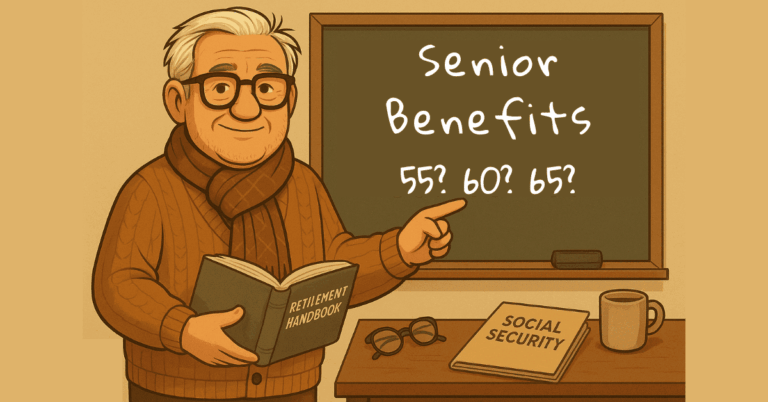
If you’re wondering which age counts—50? 55? 65?—we’ve broken it down by programs and services:
👉 Discover When You’re Considered a Senior Citizen →
And if you’re tired of labels and just want to enjoy something timeless:
📖 Read 100 Free Short Stories for Seniors Online →
Because no matter what they call you, your story still matters.