
👋 Hello there — Bradley here.
If you — or you’re helping a parent or grandparent — have ever tried to figure out what benefits are available in your ZIP code and at what age you can get them, I understand. It’s not always straightforward. 👇Click below to jump straight to the right place and check.
But of course, that’s only part of the picture.
If you’ve ever scratched your head wondering whether 60 or 65 is the “official” age for senior status, you’re not alone. Between retirement perks, discounts, and government forms, the age requirements can feel all over the place.
Some programs define it one way, others use a different age entirely — and it’s easy to get lost in the fine print. Even the term “senior citizen age” doesn’t have a single, official definition.
That’s exactly why I put this guide together.
Whether you’re figuring things out for yourself or helping someone you love, you’ll find everything you need here: how the term “senior citizen” is used across services, what those different age thresholds mean, and how all this ties into the broader senior population in the U.S.
Let’s get started. 👇
🧓 What Age Is Considered a Senior Citizen?
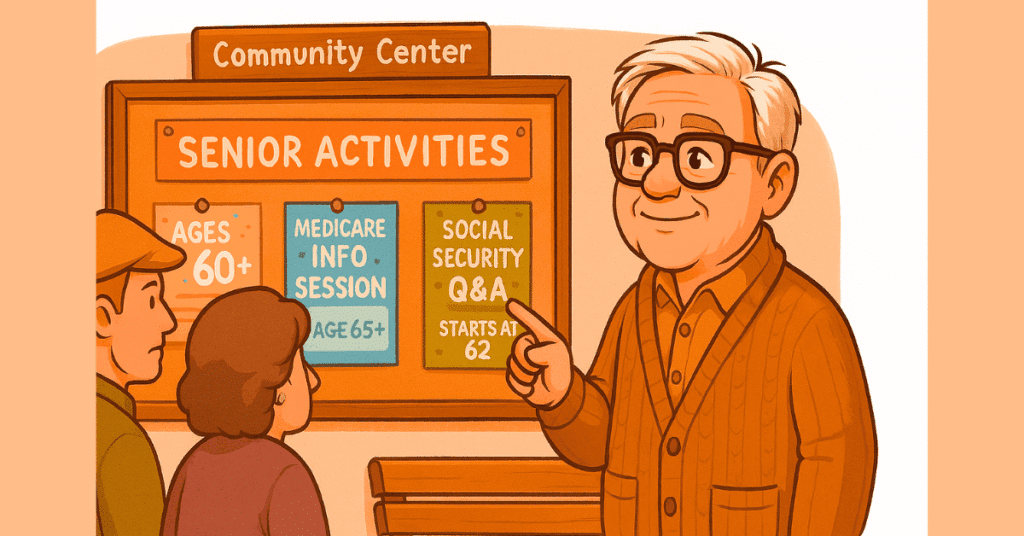
In the U.S., a senior citizen is typically defined as someone aged 60 to 65, depending on the service or program.
While there is no single official age, this range is most commonly used by government programs, healthcare systems, and community services.
The definition varies depending on context: Medicare eligibility begins at 65, Social Security retirement can start at 62, and some senior discounts begin as early as 60. This makes “senior status” more of a flexible label than a fixed point.
🤔 From Age 50 to Age 73: When Does Senior Status Officially Begin?
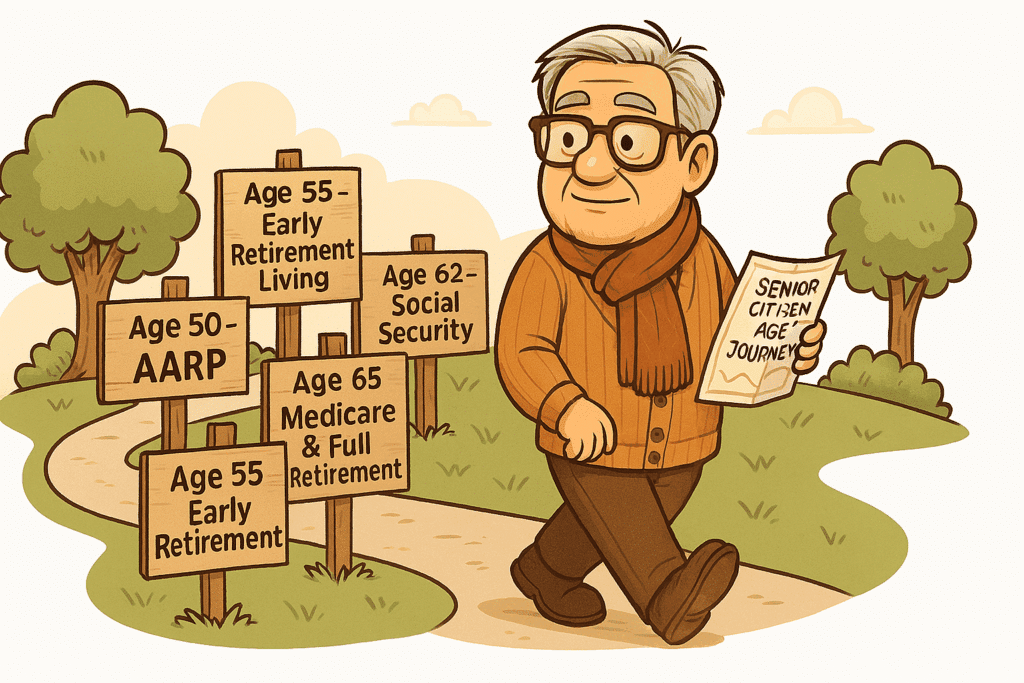
There’s no magic switch that suddenly turns someone into a “senior citizen.” Instead, senior status is something that unfolds gradually—depending on your age, the programs you’re engaging with, and the context in which the term is used.
Here’s how different milestones along the way shape what it means to be a senior:
| Age | What You Become Eligible For |
| 50 | You may not feel like a senior at 50, but AARP benefits begin here—offering discounts and resources to members. It might not feel official, but it’s often the first quiet tap on the shoulder saying: “You’re getting close.” |
| 55 | That’s the age when things start to shift—quietly, but noticeably. More and more restaurants and retail stores begin offering special deals, and 55+ communities start opening their doors to folks who are still active but ready for something a little quieter. You might even find the local bus pass gets a bit cheaper. It’s not quite full-on “senior,” but it’s a gentle nudge in that direction. |
| 60 | By 60, the label “older adult” starts popping up in more official places—government forms, housing applications, even community newsletters. You’re not quite at retirement age yet, but certain programs like SNAP food assistance may already apply. It’s also the point where some folks start leaning into a bit more simplicity: fewer work hours, more walks, more time with grandkids. At this age, life begins to whisper: slow down just a little. |
| 62 | This one matters. It’s the first time you can start collecting Social Security. Sure, the monthly payments are a little lower than if you waited, but for many, it brings a sigh of relief—a sense that retirement isn’t just a dream anymore. You might still be working, or not. But either way, 62 feels like someone handing you a key and saying, “You’ve earned this.” |
| 65 | This is the big one. Medicare kicks in, and most folks—whether they like it or not—are now officially considered seniors by almost every institution that matters. It’s when mailboxes fill up with brochures, health plan choices, and discounts from everywhere. But it’s not just paperwork. For many, 65 is when you start to think differently about time—how to use it, protect it, and share it. |
| 66-67 | Depending on when you were born, this is when you hit full retirement age for Social Security. For some, that means stopping work entirely. For others, it just means the checks are bigger. Either way, it’s a turning point. Less about “aging,” and more about how you want your days to feel now that you’ve got more say in how they’re spent. |
| 70 | If you’ve waited until now to take Social Security, your monthly benefit is at its highest. No one’s handing out balloons, but there’s a quiet satisfaction in knowing you waited, planned, and now it’s paying off. You may still feel young—and that’s great. Age 70 doesn’t close doors; it often opens new ones, just slower and more quietly. |
| 73 | By 73, the government expects you to start drawing from your retirement savings—what they call Required Minimum Distributions (RMDs). It’s not just a rule—it’s a reminder that your working years built something. And now, it’s time to use it. Not recklessly, but with care. After all, you’ve spent decades taking care of others. This part? It’s for you. |
Some people wonder if turning 50 or 55 makes them a senior citizen. The short answer is no—neither age is officially recognized as senior citizen age in the U.S. Most government programs and discounts start later, usually at 60, 62, or 65.
That said, both ages can feel like milestones. At 50, organizations such as AARP begin sending membership invitations, and at 55, certain retirement communities and private discounts may open their doors. These ages often signal “early senior perks,” but not full senior status.
🗂️ Why Age Thresholds Differ by Service
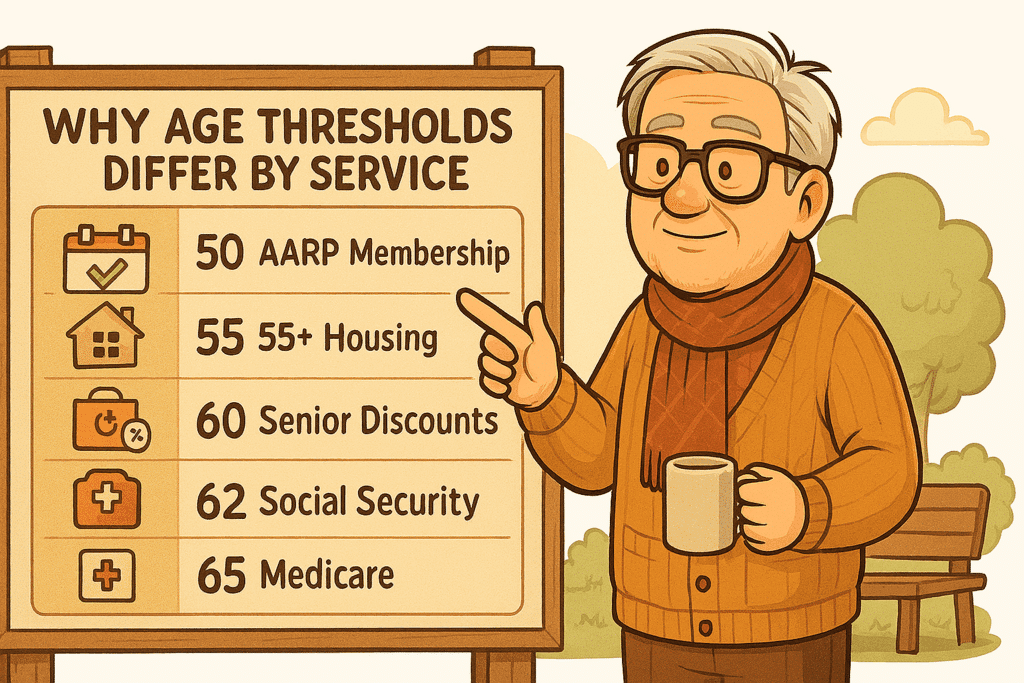
Different organizations and programs set their own age limits for what qualifies as “senior,” not because they disagree—but because they serve different needs at different stages of aging.
Some programs start early to support planning and preparation, while others are tied to healthcare eligibility or full retirement benefits. The age isn’t arbitrary—it’s a reflection of purpose.
Here’s a breakdown of the logic behind common thresholds:
| Program or Service | Typical Starting Age | Why This Age? |
| AARP Membership | 50 | This is the age when many people begin to think seriously about retirement. AARP offers early access to resources so members can prepare ahead, long before senior benefits like Medicare kick in. |
| 55+ Housing Communities | 55 | These communities are meant for “active older adults” who may still be working but are ready for a quieter lifestyle or downsizing. 55 is seen as the bridge between midlife and senior living. |
| Senior Discounts | 60-65 | Retailers and services often match their discounts to when people leave the workforce. Age 60 is seen as early retirement age, while age of 65 aligns with Medicare and full retirement for many. |
| Social Security Benefits | 62-67 | Social Security allows early retirement benefits at 62 to offer flexibility for those who may need income sooner, even if it’s reduced. Full benefits begin at 66 or 67 to reflect longer life expectancy—today’s retirees are expected to live much longer than when the program first began, which helps keep the system sustainable. |
| Medicare | 65 | Set in 1965 when Medicare was introduced, this age matched the full retirement age at the time. Though retirement ages have since shifted, 65 remains the standard age for Medicare to ensure continuity and broad federal health coverage for older adults. |
👉 So while the age for senior status may vary across programs, these numbers aren’t random—they’re tied to the various benefits each service is designed to deliver.
That’s why some programs start at 50, others at age 65 and older, and a few even extend to 67, depending on their goals and eligibility rules.
🎁 What Benefits Come with Senior Citizenship in the U.S.?
As costs of living continue to rise, many older adults in the U.S. are struggling to stretch fixed incomes across groceries, prescriptions, utilities, and rent. But here’s the truth: senior citizenship comes with real, measurable benefits.
Regardless of how you define a senior, reaching senior status often unlocks discounts, support services, and government programs tailored to help older adults remain independent and healthy. From senior centers and senior living communities to federal programs that offer senior citizen benefits, these resources are designed to ease the burdens of housing, healthcare, food, and utilities.
🧾 Qualifying as a Senior: Benefits and Discounts That Can Ease Your Monthly Bills After Retirement

Inflation hits everyone, but once you reach senior citizen status, even small increases in electricity bills or grocery costs can stretch your budget thin. The good news is, there are real benefits of being a senior—including trusted programs designed to ease these monthly expenses, some offering savings worth thousands of dollars per year:
| Benefit | Estimated Annual Value (2025–2026) |
|---|---|
| Medicare Extra Help (Part D) | $6,200 |
| Medicare Savings Program (MSP) | $2,220 |
| SNAP (Food Assistance) | $2,256 |
| Medicaid (Health Care) | $19,079 |
| Supplemental Security Income | $8,375 |
| SSDI (Disability Insurance) | $16,744 |
| LIHEAP (Utility Support) | $662 |
| Lifeline (Phone/Internet) | $111 |
| Housing Subsidies (e.g., Section 8) | $11,868 |
These programs cover essentials: food, heat, electricity, prescriptions, and health coverage. Yet according to NCOA and the Urban Institute, over 9 million eligible older adults aren’t enrolled in programs they qualify for—often because they don’t know they’re eligible or worry about “taking benefits from someone else.” (They won’t. The funds are there.)
“I have one healthy meal a day,” said Georgia, age 71. “After that, Ramen noodles.”
No senior should have to live this way. These benefits exist to ensure you don’t.
🏡 Housing Help Is One of the Most Overlooked Senior Citizen Benefits

If you’re a senior citizen—especially one who is age 62 or older—there are housing programs designed to help you stay safely and comfortably in your home. Whether you live in a senior living community or in your longtime residence, assistance is available.
🔑 For renters:
- Section 8 Housing Choice Vouchers: If you’ve reached the age threshold to qualify, this program can help pay a portion of your rent in private housing.
- Section 202 Supportive Housing for the Elderly: Designed for adults 62 years of age or older, this program offers affordable housing along with supportive services like meals, transportation, and emergency systems—helping you age in place with dignity.
- 👉 Curious about what older adults are actually paying each month? Here’s a breakdown of how much seniors spend on rent.
🔨 For homeowners:
- USDA Rural Repair Grants and Loans: If you’re considered a senior, you may qualify for grants (up to $10,000) or low-interest loans (up to $40,000) to make critical repairs or modifications to your home.
- Weatherization Assistance Program: Provides free energy-saving upgrades like insulation and heating—ideal for those on a fixed income or receiving senior discounts elsewhere.
- HELOCs (Home Equity Lines of Credit): These are available to many senior citizens who have built up home equity and need funding for healthcare, renovations, or other urgent expenses.
🆘 If you’re behind on payments or facing foreclosure:

- Call the HOPE Hotline (1-888-995-HOPE)
- Dial 211 to find nearby shelters, senior housing aid, or emergency utility support
- Connect with a HUD-approved housing counselor for free help
Whether you’ve already claimed senior citizenship or are nearing it, remember this: housing help exists, and you’re not alone. The right support can make all the difference.
🏛️ How Federal Law Supports the Benefits of Being a Senior
Behind all these programs is something bigger: a national promise.
Many services available to older adults aren’t just scattered benefits—they’re part of a coordinated national effort. At the core of this system is the Older Americans Act (OAA), a federal law first passed in 1965 and reauthorized regularly to reflect the evolving needs of the senior citizen population in the U.S.
Whether someone is considered a senior at age 60 or 62, or even age 65, the OAA ensures there’s a safety net. It supports programs that help senior citizens across the U.S. remain independent, healthy, and connected to their communities.
In the 2025 reauthorization agenda, priorities include:
- Expanding in-home services, including support for those in senior living communities;
- Investing in senior centers—both in-person and virtual;
- Strengthening programs like SCSEP, which help senior citizens return to work;
- Ensuring access to health support for people of every age range who may already identify as a senior.
So while many wonder at what age someone is considered a senior citizen, it’s important to remember: no matter the number, there’s a national framework ready to support you.
Source:
National Council on Aging
🔧 Check If You Qualify for Senior Discounts and Benefits—In Seconds & FREE
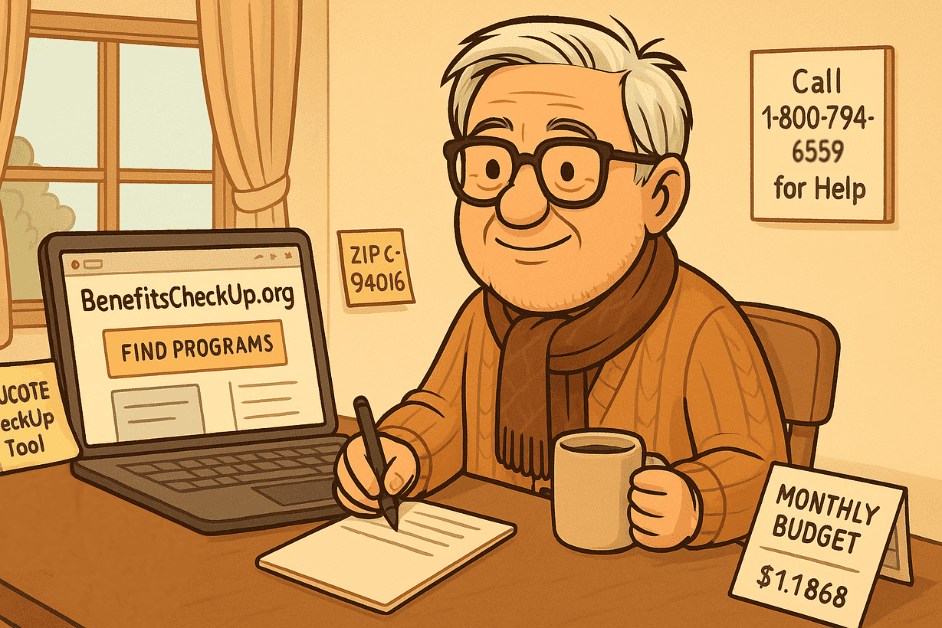
Too many people wait until they’re “officially” considered a senior citizen before exploring support options—but there’s no single rule. In fact, eligibility for senior benefits can vary depending on where you live, your income, and even the service in question.
If you’re nearing retirement age or simply wondering if you might qualify, it’s worth checking—especially if the rising cost of living is stretching your budget.
Here are two simple tools to get started:
💡 “Every year, $30 billion in senior benefits go unclaimed.”
That’s real support that could help you—or someone you love—live more securely. And remember: getting help doesn’t mean you’re taking from someone else. If you’re considered a senior citizen, you’ve earned it.
🗣️ Don’t Call Me Elderly! A Quick Guide to Senior Terms and What They Really Mean
“Senior,” “elderly,” “older adult”—so many terms, so much confusion. At what age are you considered a senior citizen? And who even decides?
Even the dictionary defines a senior citizen in different ways. Merriam-Webster says it’s “an elderly person, especially one who is age 65 or older,” but other sources say senior status begins at 60—or 62. For some government programs, age 62 is the earliest age for benefits, while others require you to begin at age 65. Confusing? Just a bit.
To make things trickier, terms like “senior citizenship,” “senior years,” and “criteria for senior citizenship” vary not only by agency but also by culture. What’s considered respectful in one place may sound outdated in another.
So here’s the bottom line:
There’s no universal age at which you’re officially a senior citizen. You’re not suddenly handed a cane and a bingo card at 60. But once you hit certain ages—55, 60, 62, or 65—you’ll likely start to qualify for more perks, programs, and yes, a few new labels.
Just remember:
You’re not elderly. You’re just experienced, seasoned, and increasingly eligible for discounts. 😉
🧾 You Might Be a Senior (Even If No One Told You Yet)
You don’t always get a clear memo saying, “Congratulations, you’re a senior now.” Sometimes it starts quietly—maybe with a letter from AARP at age 50, or a surprise discount when you didn’t expect one. You might still be working full-time, chasing grandkids, or starting a new chapter altogether.
But the truth is, you may already qualify for senior benefits before retirement ever enters the picture.
Food assistance starts at 60.
Senior housing often begins at 55 or 62.
And yes—some places will call you a senior at 50, even if you don’t feel like one.
So if you’ve ever wondered are you a senior at 50?, or what makes you a senior citizen?—the answer is simpler than you think. It’s not just about age. It’s about how the world starts opening doors… quietly, and one at a time.
❓FAQ About Senior Citizen Age
When you turn 66 years old, are you a senior citizen?
Yes—at age 66, you’re typically considered a senior citizen in the U.S. Many benefits tied to senior status begin earlier, such as senior discounts starting at age 60 or eligibility for senior living communities around age 62. While the exact age at which someone qualifies as a senior can vary, age 65 is often seen as the official starting point for senior citizenship, especially when linked to retirement and Medicare.
What age do most seniors need assisted living?
Most seniors move into a senior living community or require assisted living around age 87, with the majority of residents being over age 85, though the need can begin as early as age 62. While there’s no single age at which someone definitively qualifies, the transition typically depends on health, independence, and care needs. In many cases, individuals are considered senior citizens by age 65, but when it comes to daily support, later ages are more common.
Source:
Victorias Health. At What Age Do Most Seniors Enter Assisted Living?
What are the financial plans for senior citizens?
Most financial plans for senior citizens revolve around retirement income, healthcare, and cost-of-living support. Once someone is considered a senior citizen—typically starting between age 60 and 67, depending on the service—they may qualify for a range of benefits:
- Social Security: In many cases, full retirement and senior status begin at age 66 or 67, which qualifies seniors for full Social Security benefits across the U.S.
- Medicare: Healthcare coverage typically begins at age 65, helping cover hospital stays, doctor visits, and prescriptions.
- Senior Discounts: Many retailers and services offer senior discounts starting at age 60, though some begin as early as age 55.
- Pension Plans and Savings Withdrawals: Seniors may start drawing from 401(k)s, IRAs, and other retirement accounts without penalty starting at age 59½, with required minimum distributions beginning at age 73 (as of 2025).
👉 Not sure if you’re on track? Use the AARP Budget CheckUp Tool to review your spending and retirement readiness in minutes. - Assistance Programs: Depending on income level, senior citizens might also qualify for housing assistance, utility subsidies, or senior living support.
In short, once you consider yourself a senior citizen, a combination of government programs, private savings, and age-qualified benefits forms the core of financial planning.
Does the U.S. government take care of its senior citizens?
The short answer? No.
But if you’re prepared—it can be a solid foundation.
The U.S. government offers a range of programs and benefits for senior citizens, from Social Security and Medicare to senior discounts and subsidized housing. These age-based supports typically kick in around age 62 to 65, depending on the service. For example:
- Social Security benefits may begin as early as age 62
- Medicare eligibility starts at age 65
- Some senior living communities offer subsidized options based on retirement and senior status
But here’s the truth: while these programs help, they don’t cover everything a senior citizen might need—especially for those with limited income, chronic health conditions, or high living costs.
And surprisingly, nearly 9 million older adults in the U.S. qualify for benefits but aren’t receiving them—often due to confusion, lack of awareness, or difficulty navigating the system.
🧾 Use free tools like BenefitsCheckUp.org to see what senior benefits you qualify for—just enter your ZIP code and answer a few questions
Is 50 considered a senior citizen?
No, age 50 is not officially considered a senior citizen. Most government programs and benefits start later, usually at 60, 62, or 65. However, age 50 is sometimes treated as a milestone because organizations like AARP begin offering memberships, and some private discounts or early retirement planning resources also become available.
👉 If you’d like to quickly check what benefits or discounts you may already qualify for, you can use our free tool here: Check If You Qualify for Senior Discounts and Benefits—In Seconds & FREE
Is the age 55 considered a senior citizen?
No, age 55 is not officially considered a senior citizen. Most government programs, benefits, and senior discounts in the U.S. begin at ages 60, 62, or 65. Still, age 55 is sometimes recognized as an early eligibility point—for example, many 55+ retirement communities allow new residents starting at this age, and some private clubs or discounts may also begin here.
👉 If you’d like to quickly check what benefits or discounts you may already qualify for, you can use our free tool here: Check If You Qualify for Senior Discounts and Benefits—In Seconds & FREE.
What age do senior discounts typically start?
Most senior discounts begin around age 60, but many restaurants, retail stores, and service providers start recognizing senior discounts age 55 as the entry point. Always check—some places offer savings earlier than you’d expect.
What benefits can you get at age 60?
At 60, you’re eligible for more than you might realize. Programs like SNAP food assistance, senior community services, and transportation support begin in many areas. If you’re searching for what benefits at 60 are available, start with your ZIP code—local programs vary widely.
Is 55 considered the age for senior housing?
Yes, many 55+ active adult communities open their doors at this stage. Though it’s not yet full retirement, senior citizen age 55 is commonly used in housing and travel circles, especially for those seeking a quieter, community-oriented lifestyle.
What is the official age for a senior citizen?
There’s no single answer, but most official programs consider 60 to 65 the starting point. Medicare starts at 65, while some benefits begin as early as 50.
What age does senior citizenship begin?
That depends on who you ask. Social Security may begin at 62, housing benefits at 55, and some services offer senior discounts from age 50 onward. It’s not one age—it’s a slow unfolding.
❤️ Final Thoughts on Senior Age and Definitions
Martha never thought of herself as a senior citizen. Not at age 60, when she still taught art classes part-time. Not even at 65, when her mailbox filled with Medicare brochures and offers for senior discounts to individuals. It wasn’t until one rainy afternoon—when her grandson handed her a storybook and said, “This reminds me of you”—that it truly sunk in.
The definition of a senior citizen can vary depending on where you live or who you ask. Some senior living communities might welcome new residents starting at age 55. Others follow government programs like Social Security or Medicare, which recognize seniors starting at age 62 or 65. But when Martha asked her friends, they all laughed and agreed: senior status in many hearts begins not with a number, but with the stories we can tell.
And that’s what moved her most—realizing that aging wasn’t about losing something, but about collecting moments that matter.
Today, she keeps a printed copy of 100 Free Short Stories for Elderly by her favorite chair. Sometimes, she even reads one aloud in her senior living community, sparking laughter, memories, and that quiet feeling of “I’m not alone.”
And when her daughter asked, “What kind of gift do you want this year, Mom?”, Martha smiled. “Something from your heart.” That’s when her daughter discovered a beautifully designed heartwarming short stories collection book with coloring pages from Gift for Moms Who Have Everything
So, does a specific age qualify someone as a senior? Maybe. But the truth is, someone becomes a senior citizen the moment they begin looking back and smiling at how far they’ve come—and start reaching forward, ready to share.